
20 Things to Do in Darwin for Your First Top End Trip
Plan your Darwin trip with 20 things to do, from croc feedings and sunset markets to Litchfield day trips. Includes wet and dry season tips.
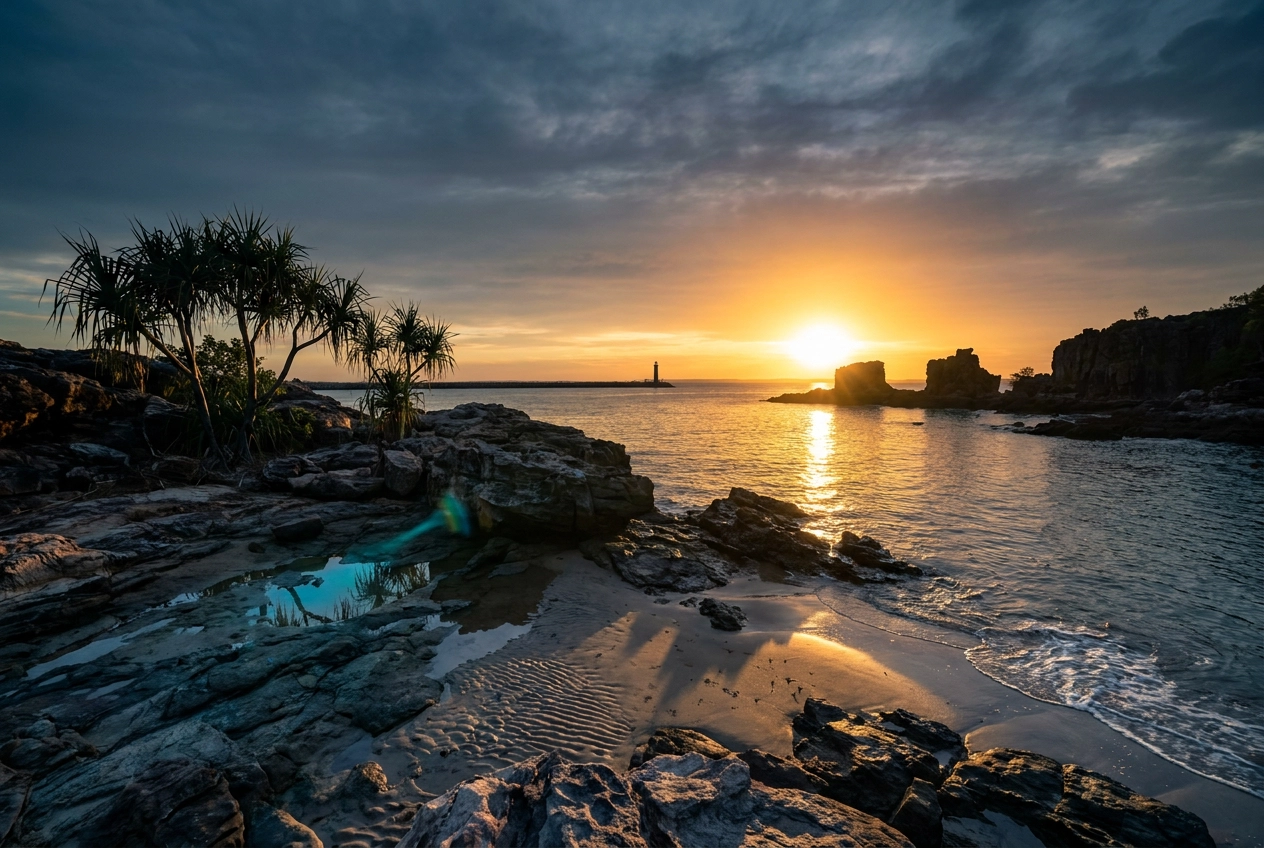
So you're planning your first Top End trip? Great choice. Darwin might be Australia's smallest capital city, but it punches way above its weight. Think warm tropical nights, dramatic storms, big crocodiles, rich First Nations culture, and sunsets that make your phone camera look good. If you're wondering why Darwin deserves a spot on your Top End itinerary and what things to do in Darwin look like, you're in the right place.
In this post, I'll walk you through 20 of the best experiences for beginners. We'll cover wildlife parks and animal encounters, harbour and beach spots, green spaces, First Nations art and tours, markets and local food, evening entertainment, WWII and aviation history, Cyclone Tracy, free and cheap options, day trips to Litchfield, Kakadu and the islands, plus when to visit in the wet vs dry season. I'll also share practical tips on travel subsidies, bookings and accessibility. By the end, you'll have a simple Darwin itinerary that fits your budget and travel style.
Why Darwin Deserves a Spot on Your Top End Itinerary
Darwin is Australia's smallest capital by population and the only one with a tropical monsoon climate. That shapes everything in this list: almost every activity is seasonal, so timing matters more than any single booking.
The Dry, roughly May to October, brings cloudless days, outdoor markets, waterfall swimming and peak prices. The Wet, roughly November to April, brings afternoon storms, dramatic lightning, quieter attractions and lower rates. Sea swimming is restricted in the Wet because of box jellyfish and crocodiles, which are present in Top End waterways year round. For beach swimming, Surf Life Saving NT recommends the dry season months of June to September, and only between the red and yellow flags.
The city and waterfront are walkable. Day trips stretch further: Litchfield National Park is about 90 minutes' drive, Kakadu about 3 hours to Jabiru, and Berry Springs or the Territory Wildlife Park under an hour.
This guide to things to do in Darwin is for first-time visitors, couples, families and travellers driving the Top End. Every item includes a practical tip on cost, time needed, best time of day and accessibility. Where visitor figures appear, they are national statistics from Tourism Australia insights for the year ending September 2024, not Darwin or Top End data. We are not treating an unverified 2026 top-ranking headline as fact until its source and criteria are confirmed.
With those seasons and distances in mind, let's start with the wildlife encounters that make Darwin famous.
Crocodiles, Wildlife Parks and Animal Encounters
Darwin's wildlife is the reason many people visit, so start your list with the animals.
1. Crocosaurus Cove, city centre. On Mitchell Street in the CBD, Crocosaurus Cove is the only place in Australia where you can dive with a saltwater crocodile in the Cage of Death. It also runs freshwater and saltwater croc exhibits and a turtle rehabilitation area. Book sessions ahead in the Dry season, and check current prices and minimum age requirements.
2. Territory Wildlife Park, Berry Springs. Roughly 45 to 60 minutes south of the city, this park offers walk-through aviaries, the Flight Deck birds of prey show, a monsoon forest walk and an aquarium, plus free keeper talks. It's open daily for an entry fee, and it pairs naturally with a Berry Springs swim on the way home.
3. Crocodylus Park, Berrimah. About 15 minutes from the CBD, this smaller, cheaper alternative runs croc feeding tours and also houses big cats and a museum. It's a good fit for families with younger children or travellers short on time.
4. Aquascene, Doctors Gully. Near the city centre, you can hand feed wild fish at high tide during the Dry season. It takes about an hour and suits all ages and budgets.
5. Spot wildlife yourself. East Point Reserve and the Casuarina Coastal Reserve deliver wallabies, shorebirds and WWII relics at dusk. Darwin Harbour cruises and fishing charters regularly sight dolphins, sea eagles and crocodiles. Treat every waterway as croc country: NT rangers removed more than 240 crocodiles from Top End waterways in 2025, and you can report sightings on the Report a problem crocodile line.
Prefer calmer animal encounters? The waterfront and coastline come next.
Harbour, Beaches and Green Spaces
After a morning with wildlife, Darwin's harbour and green spaces are where you slow down. Here are the best low-cost, mostly outdoor spots.
Darwin Waterfront Precinct The free Recreation Lagoon is stinger-safe and patrolled in season, while the paid Wave Lagoon adds a wave pool. Stokes Hill Wharf is the go-to for fish and chips and Sunday sunset crowds. The whole precinct is flat, shaded and accessible.
Mindil Beach and East Point Reserve Darwin's classic sunset pair. Mindil Beach sits below the George Brown Darwin Botanic Gardens, and East Point has WWII gun emplacements, picnic areas and evening wallaby sightings.
George Brown Darwin Botanic Gardens Free entry, self-guided walks, a plant display house and a rainforest gully. Combine it with a Mindil Beach sunset for a zero-cost afternoon.
Charles Darwin National Park Free entry, WWII ammunition storage bunkers, wetlands boardwalks and a lookout with city and harbour views. Noticeably quieter than the headline attractions.
Casuarina Coastal Reserve and Nightcliff foreshore Free walking and cycling paths along the coast. Locals use them at sunrise, and they're the best low-cost way to see the Top End's tropical coastline.
When you're ready for culture, the city's galleries and museums are next.
First Nations Culture: Art, Tours and Story
Once you've had your fill of sunset beaches and free green spaces, Darwin's deeper story belongs to its First Peoples. The Larrakia are the Aboriginal owners of the land and waters of greater Darwin, and their cultural protocols ask visitors to respect that authority and the traditional knowledge they still hold. Ride with Respect is a good starting point for the principles.
Museum and Art Gallery of the Northern Territory. At Bullocky Point, MAGNT holds one of the country's most significant collections of Aboriginal and Torres Strait Islander art, alongside the Cyclone Tracy and natural history galleries. Check current opening hours before you go, as they change with the season.
Aboriginal-led cultural tours. Because the city sits on Larrakia country, look for tours guided by Larrakia or other local Traditional Owners. They cover bush tucker, Dreaming stories and harbour history. Confirm which operators are running and whether their listing details are current before booking.
Darwin Aboriginal Art Fair. If your travel dates land in August, the Darwin Aboriginal Art Fair is the big one. You buy directly from art centres and meet artists, and it pairs naturally with the wider Darwin Festival program.
Parap galleries and art centres. Several commercial and community-linked galleries cluster in Parap near the Saturday markets, so you can browse and learn about Aboriginal art in one morning. Ask about provenance and the artist's community before you buy.
Respect and context. Some sites and ceremonies are restricted, and people, artworks and sacred sites should never be photographed without permission. For visitor protocols, see Tourism NT's Aboriginal cultural tourism toolkit.
Markets, Local Food and Evening Entertainment
Once you've had your fill of art and story, Darwin's food scene takes over. The city's food culture lives outdoors, and timing matters more than any single booking. Here's how to eat well and spend your evenings.
Mindil Beach Sunset Market. The flagship dry season market runs Thursday and Sunday evenings with hundreds of food and craft stalls. Arrive well before sunset, bring a picnic rug and expect big crowds in July and August.
Parap and Nightcliff markets. Parap runs Saturday mornings and Nightcliff Sunday mornings. They're smaller and more local, and better for tropical fruit, laksa and a cheap breakfast. Check current days and hours, as they vary through the year.
Rapid Creek Market. Sunday mornings. This local institution is the place for Asian groceries, satay, mangoes in season and cheap eats. Arguably the most authentic food experience on this list.
Eating out with a view. Stokes Hill Wharf and Cullen Bay are your go-tos for seafood and harbour sunsets. The Waterfront precinct suits families, while Mitchell Street in the CBD handles late-night options. Order barramundi, mud crab or mango when they're in season.
Festivals and events. Build your dates around Darwin Festival in August, the Beer Can Regatta and the Nightcliff Seabreeze Festival. During the Dry, catch outdoor films at the Deckchair Cinema. Check 2026 dates closer to travel and book early for popular nights.
Before you go, confirm trading days and hours on the NT Government's Territory Markets page, because schedules shift with the seasons. A quick check saves a wasted trip.
History and Heritage: WWII, Aviation and Cyclone Tracy
Once you've had your fill of markets and festival food, Darwin's wartime and disaster history is just as memorable. These five sites cover the essentials, and most cost little or nothing.
Darwin Military Museum at East Point. Set among the actual gun emplacements, this museum tells the story of the 1942 bombing raids on Darwin, with interactive displays and wartime artefacts. Allow a couple of hours. Opening days are seasonal, so check current hours before you drive out to East Point.
WWII Oil Storage Tunnels, Kitchener Drive. Near Stokes Hill Wharf, these wartime tunnels were built to protect fuel supplies. A small entry fee buys a self-guided walk with photographs and audio. It slots easily into a waterfront afternoon, and the wharf is right there for lunch afterwards.
Museum and Art Gallery of the Northern Territory. At Bullocky Point, the Cyclone Tracy exhibit is a powerful and free way to understand modern Darwin. It includes a recreated 1970s elevated home and a Bureau of Meteorology desk as it looked in 1974. The maritime and natural history galleries are worth another hour or two. Check opening hours, as they change by season.
Fannie Bay Gaol and Lyons Cottage. These free and low-cost heritage sites reveal Darwin's colonial and frontier past. Both are short visits that combine well with an East Point loop in the same afternoon.
Darwin Aviation Museum, Winnellie. History buffs get a B-52 bomber and aviation relics at this Winnellie museum. It's a short drive from both the airport and the CBD, with modest entry fees and an easy one-hour stop.
Free and Cheap Things to Do in Darwin
After the museums and heritage sites, you'll be glad to know Darwin's best-value experiences often cost nothing. Here are the free and cheap highlights.
Swim at the Waterfront for less. The Darwin Waterfront Recreation Lagoon is a sea-wall protected, mesh-screened pool with lifeguard patrols listed 10am to 6pm daily. It's the best-value activity in the city, especially for families, and the surrounding precinct is flat and shaded. Check current conditions and swim between the red and yellow flags.
Zero-cost attractions. The free sites from the last section, MAGNT and Fannie Bay Gaol, join a wider zero-cost cluster: the George Brown Darwin Botanic Gardens, Charles Darwin National Park and the East Point memorials. Most cost nothing or a gold coin donation, so a full day out is possible on a tiny budget. Check each site's page for current hours and fees.
Markets: free entry, cheap eats. Entry to the Mindil, Parap, Nightcliff and Rapid Creek markets costs nothing. Street food stalls keep costs low, so bring cash and a picnic rug.
Self-guided walks and views. The Nightcliff and Casuarina foreshore paths, the Botanic Gardens loop and the East Point sunset drive deliver big scenery without a ticket. They double as low-cost sunset plans.
Save on transport and timing. Use Darwin's public bus network instead of taxis. Check whether free city routes are running during your visit. For lower accommodation rates and smaller crowds, travel in the shoulder months of April, May or October.
Once you've maxed out the free stuff, Darwin's bigger day trips are where your budget goes next.
Day Trips from Darwin: Litchfield, Kakadu and the Islands
Once you've had your fill of free Darwin attractions, the bigger Top End scenery is within day-trip range. Here's how to choose without overloading your itinerary.
Litchfield National Park
About 90 minutes from the city and free to enter. Wangi Falls, Florence Falls and Buley Rockhole give you easy swimming, while the magnetic termite mounds are a quick roadside stop. A 2WD handles the main sites in the Dry. Check NT Parks alerts for closures and crocodile warnings before you swim.
Kakadu National Park
Allow about 3 hours to Jabiru. This park is huge, so plan at least one overnight. First-timer highlights are Ubirr rock art, Nourlangie (Burrungkuy) and a Yellow Water billabong cruise. Most areas need a park pass, and Kakadu's pass is separate from the NT parks pass. Buy it before you go.
Adelaide River jumping crocodile cruises
Roughly an hour south on the Stuart Highway. These short boat trips get you close to wild saltwater crocodiles and suit families. Book ahead in peak season and choose a long-running accredited operator.
Tiwi Islands day tours
Fly or take the ferry from Darwin to Bathurst Island for an Aboriginal cultural experience with art centres and community guides. Access is by organised tour only, and wet season options are limited. Book early.
Shorter trips and how to choose
Berry Springs Nature Park, Territory Wildlife Park, Dundee Beach, Crab Claw Island for fishing and rural markets all work as half-day or easy day trips. If time is tight, pick one nature day and one cultural day rather than cramming everything in.
Wet Season vs Dry Season: When to Visit Darwin
Once you have your day trips sorted, the next decision is timing. Darwin runs on two seasons, and they change what is open, what you can swim in and what you will pay.
Dry season (roughly May to October): This is the reliable window. Markets, outdoor events, waterfall swimming and road access to Litchfield and Kakadu are all at their best. The trade-off is demand: prices climb, campgrounds fill and June to August brings the biggest crowds. Book early.
Wet season (roughly November to April): Waterfalls thunder at full force and the storms and lightning are spectacular. Flights and accommodation are cheaper. But some roads and swimming spots close, and the sea is off limits because of box jellyfish and crocodiles. Plan around the weather rather than fighting it.
Shoulder seasons (roughly April to May and September to October): This is the sweet spot for value and weather. It is still warm and mostly dry, with fewer crowds and better availability for tours and accommodation.
What that means for your list: In the Wet, lean into indoor and waterfront activities such as MAGNT, Crocosaurus Cove and the waterfront lagoons, plus the markets that still run. In the Dry, add the day trips and outdoor festivals you cannot do in the rain.
Safety and comfort basics: Swim only in stinger-safe lagoons or clearly designated spots. Follow crocodile warning signs. Carry water and sun protection year round. Before any bush or waterfall day trip, check NT Parks alerts for closures and conditions.
Practical Tips: Travel Subsidy, Bookings and Accessibility
However you time your trip, a little forward planning saves money and headaches. Before you book anything, check whether a travel subsidy actually applies to you. The Northern Territory's Patient Assistance Travel Scheme (PATS) is a health travel scheme, not a holiday one: it helps eligible NT residents travel for specialist medical care and explicitly excludes interstate and overseas visitors on holiday. Any visitor program would be listed on Tourism NT, so check the current page and confirm 2026 terms at the source rather than relying on older summaries or third-hand advice.
Compare, then confirm. Use our Darwin and Top End directory to compare tours, accommodation, restaurants and things to do in one place, then confirm details directly with the operator. Many Australian tourism listings feed from the Australian Tourism Data Warehouse, so a directory is only as good as how current its listings are. Prices, opening hours and departure times change seasonally, so treat any listing as a starting point, not the final word.
Book ahead and reconfirm. Popular experiences can sell out in the Dry season, so reserve crocodile encounters, harbour and dinner cruises, day tours, and island or Kakadu trips before you arrive. Reconfirm your departure time the day before you go, particularly for remote and island trips, as weather and numbers can shift plans.
Accessibility and family logistics. Many major Darwin attractions, including the waterfront precinct and MAGNT, are generally flat and easy to navigate, but features vary by venue. If you need specifics, contact operators and venues directly and ask about mobility access, prams, shade and seating.
Getting there and around. Fly into Darwin International Airport, hire a car for day trips, and walk or use public buses around the CBD and waterfront. For Kakadu or other remote travel, check whether a 4WD is required and whether your hire car policy permits unsealed roads before you commit.
Your Darwin Itinerary Starts Here
You've handled the logistics. Now here's how to turn a long list into a trip you'll actually remember.
Build around four core experiences
Pick one wildlife encounter. That could be a crocodile experience in the city or a wildlife park south of Darwin. Add one First Nations cultural experience, ideally guided by Larrakia or another local Traditional Owner. Book at least one sunset market, because Darwin's dry season markets are the social heart of the city. Then choose one nature day trip, whether that's Litchfield, Berry Springs or a shorter coastal reserve. Everything else is a bonus. Fill the gaps with the free waterfront lagoon, the Museum and Art Gallery of the Northern Territory, and the George Brown Darwin Botanic Gardens.
Time it well
If you're visiting in the Dry, book early. Shoulder months around April, May and October usually mean better value and fewer crowds. In the Wet, reshape your list around lagoons, museums and markets rather than waterfalls and remote roads, which can close without warning.
Turn the list into a booked trip
Browse TheTopEnd.au listings for Darwin and the Top End, then confirm details directly with operators. Before you commit, check the official Tourism NT resources and the Top End Travel Subsidy page for current programs and eligibility.
Keep it current
Opening hours, entry fees and tour availability change each season. Treat this guide as a starting point and verify the essentials close to your travel dates. As 2026 event dates and operator details are confirmed, this section will be updated so you always get accurate local advice.
Conclusion
Darwin rewards travellers who plan around four core experiences: one wildlife encounter, one First Nations cultural experience guided by a local Traditional Owner, one dry season sunset market, and one nature day trip. Time your visit for the shoulder months if you want better value and fewer crowds, and reshape your itinerary in the Wet around lagoons, museums and markets. This guide gives you the shortlist; your next step is to turn it into a booked trip. Browse TheTopEnd.au listings, check Tourism NT resources and the Top End Travel Subsidy, then confirm details directly with operators. Verify opening hours, fees and tour availability close to your travel dates. Your Top End adventure starts with one booking. Make it today.